How Much Do Chinese Lantern Festival Displays Cost?
Chinese lantern festivals have become one of the most attractive nighttime cultural experiences around the world. From zoos and botanical gardens to theme parks and city parks, large-scale lantern displays attract hundreds of thousands of visitors every year. These illuminated sculptures combine traditional craftsmanship, modern LED technology, and large-scale artistic design.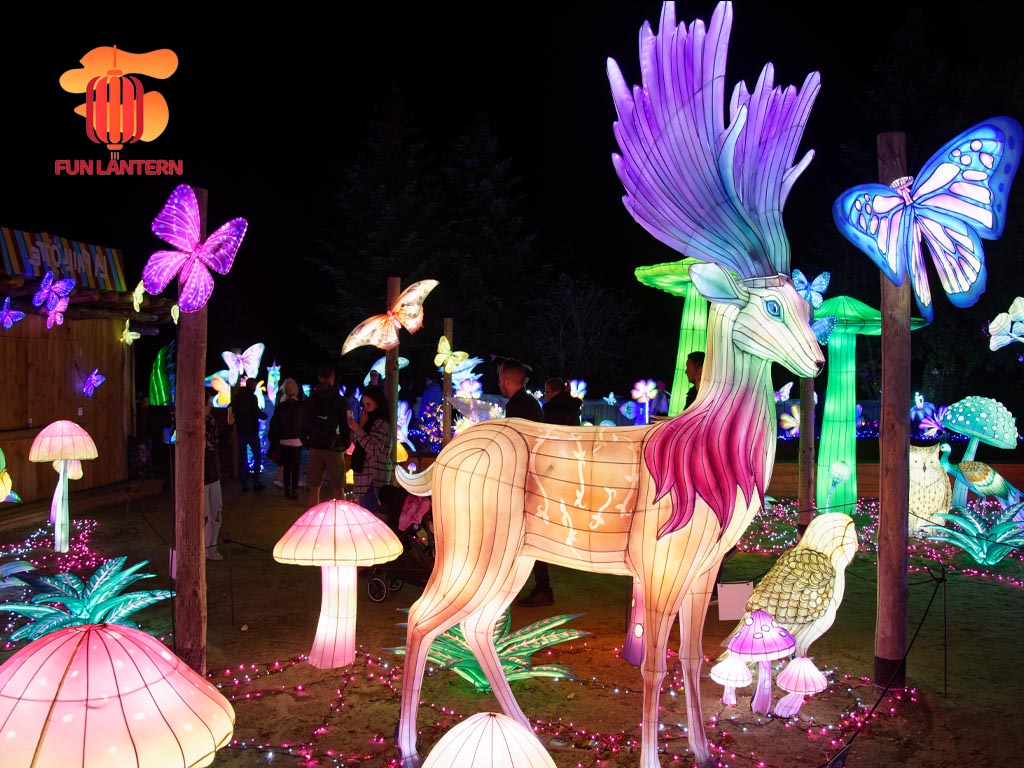
For event organizers and venue managers considering a lantern festival, one of the most common questions is: how much do Chinese lantern displays cost?
The answer depends on several important factors including the size of the lanterns, the complexity of the design, the materials used, and the production time required. Because most lanterns are custom-made artworks rather than mass-produced decorations, their prices can vary significantly.
This guide explains how Chinese lanterns are made and the key factors that influence their pricing.
The Craftsmanship Behind Chinese Lanterns
Chinese festival lanterns are handmade illuminated sculptures that require multiple specialized production steps. Skilled artisans and technicians work together to transform a design concept into a glowing installation.
The typical lantern production process includes design, structural fabrication, lighting installation, fabric covering, and artistic painting.
1.Design and Concept Development
Every lantern begins with a design concept. Professional designers create drawings or 3D models that define the theme, dimensions, color scheme, and visual details of the lantern.
For large lantern festivals, designers usually create themed environments rather than individual lanterns. These themes may include wildlife scenes, cultural landmarks, fantasy landscapes, holiday decorations, or historical stories.
The design stage is important because it determines the materials, structural requirements, and labor hours needed for production.
2.Steel Frame Construction
Once the design is approved, craftsmen begin constructing the internal structure of the lantern. This structure is usually made from steel wire or metal rods that are bent, shaped, and welded into a three-dimensional frame.
The steel frame functions like the skeleton of the lantern. It supports the lighting system and maintains the shape of the sculpture.
For large lantern installations, engineers must also ensure the structure is strong enough to withstand wind and outdoor weather conditions.
3.Lighting Installation
After the frame is completed, technicians install lighting components inside the structure. Modern lantern displays typically use energy-efficient LED lighting.
LED systems provide bright colors, long lifespan, and low energy consumption. In many festivals, programmable lighting systems allow lanterns to glow, pulse, or change colors dynamically.
Some lantern installations also include interactive or animated lighting effects that enhance the visitor experience.
4.Silk Covering and Artistic Painting
After the structure and lighting are installed, artisans stretch colored silk or waterproof fabric over the metal frame. This process transforms the skeletal structure into a vibrant illuminated sculpture.
Artists then paint fine details such as scales, feathers, patterns, and gradients. These hand-painted details give each lantern a unique artistic character.
Because much of this work is done by hand, every lantern becomes a one-of-a-kind piece of illuminated art.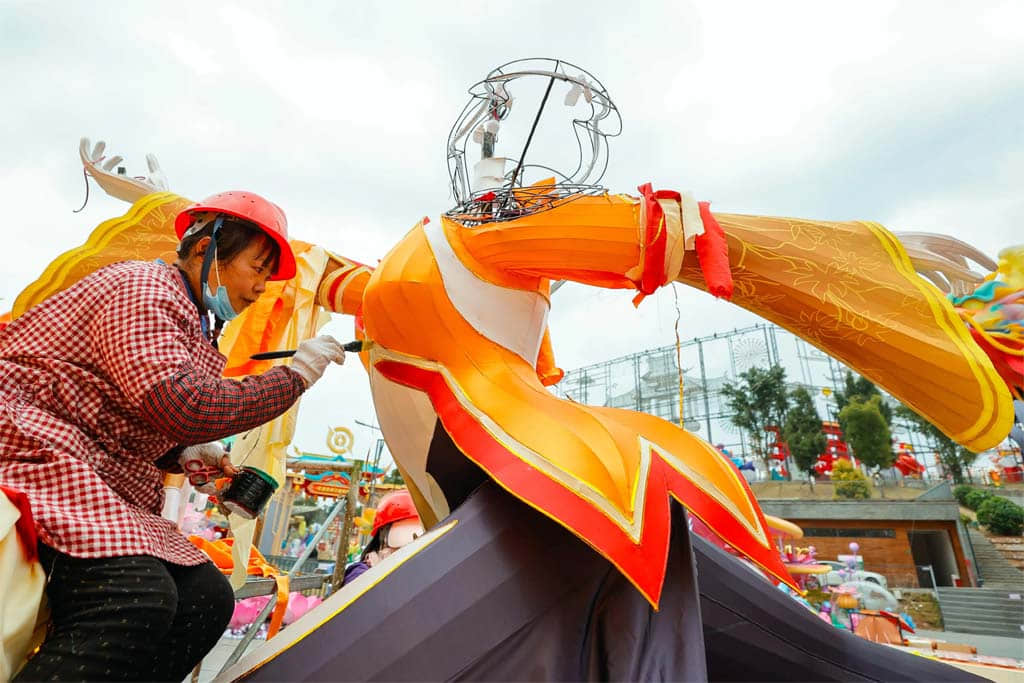 Key Factors That Influence Chinese Lantern Prices
The cost of a lantern display depends on several variables. Understanding these factors helps event organizers estimate the budget for a lantern festival project.
1.Lantern Size
Size is one of the most significant factors affecting the cost of a lantern.
Small decorative lanterns may measure only one or two meters tall, while large landmark installations can exceed ten meters in length or height.
Larger lanterns require more structural materials, more fabric, more lighting components, and more labor hours to produce. As a result, the price increases significantly as the size grows.
2.Design Complexity
Complex designs require more time and skilled labor.
For example, a simple animal lantern with smooth surfaces may be relatively quick to build. In contrast, a dragon with detailed scales, moving parts, and multiple lighting zones can require significantly more craftsmanship.
Complex scenes that include multiple characters or architectural structures also increase production difficulty.
3.Production Time
Lantern production requires careful manual work. For large festivals with dozens of lantern installations, the production process can take several months.
Typical lantern festival preparation—including design, manufacturing, shipping, and installation—can take between six and nine months.
When projects require faster delivery, manufacturers may need to increase labor resources or work overtime, which can raise production costs.
4.Materials Used
The quality of materials also influences lantern pricing.
Common materials used in lantern production include steel frames, colored silk or synthetic fabrics, LED lighting systems, electrical wiring, and control systems.
Higher-quality materials can improve durability and weather resistance, especially for outdoor installations that must operate for several months.
5.Quantity of Lanterns
Lantern festivals usually include many installations rather than a single sculpture. A typical festival may feature between 30 and 100 lantern displays.
Producing multiple lanterns within one project can reduce the average cost per lantern because design work, logistics, and transportation can be shared across the entire project.
6.Installation and Logistics
For international lantern festivals, transportation and installation are also important cost factors.
Large lantern structures are usually produced in sections and packed into shipping containers. After arriving at the venue, installation teams assemble the lanterns on-site.
Additional costs may include container shipping, installation labor, electrical setup, and maintenance during the exhibition period.
Typical Price Range for Custom Lanterns
Although every lantern project is unique, approximate price ranges can be estimated based on typical production costs.
Small decorative lanterns often range from $300 to $1,000.
Medium-sized themed lanterns usually cost between $1,000 and $5,000.
Large festival lanterns can range from $5,000 to $20,000 or more depending on complexity.
Very large landmark lanterns or centerpiece installations can exceed $20,000 and may reach $100,000 for extremely complex designs.
Complete lantern festival projects typically range from $100,000 to several million dollars depending on scale and number of installations.
Why Lantern Festivals Are Valuable for Attractions
Lantern festivals are more than decorative lighting displays. They create immersive nighttime experiences that attract families, tourists, and photography enthusiasts.
Many venues use lantern festivals to extend operating hours into the evening season and increase visitor attendance during off‑peak months.
Because of their artistic appearance and cultural storytelling, lantern displays also generate strong social media engagement and media coverage.
Conclusion
Chinese lantern displays are handcrafted artistic installations that combine traditional techniques with modern lighting technology.
The price of a lantern depends on multiple factors including size, design complexity, materials, production time, and installation requirements.
For event organizers planning a lantern festival, understanding these factors can help create realistic budgets and ensure a successful event.
With thoughtful design and professional craftsmanship, lantern festivals can transform outdoor spaces into unforgettable nighttime attractions.